


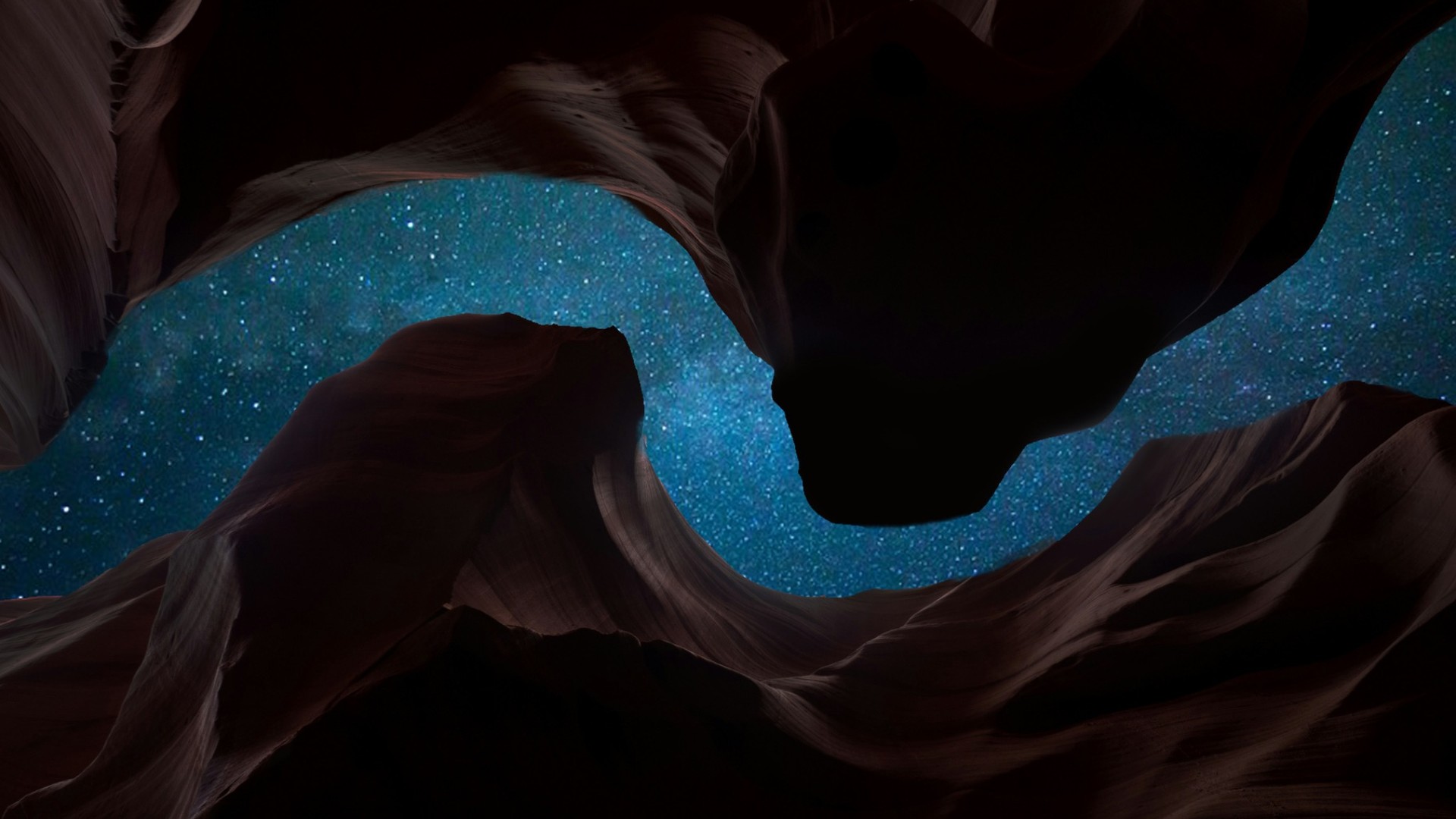
Astro Experience, the desert you did't imagine
Astrotourism: a Journey Beneath Some of the World’s Most Spectacular Skies
An astrotourism journey through deserts, high plateaus and some of the clearest skies on Earth, designed for observing stars, planets, galaxies and astronomical events under ideal conditions. It is an experience built around the night sky, far from large cities and sources of light pollution, where darkness becomes an essential part of the landscape and offers the chance to rediscover a dimension that is often forgotten.
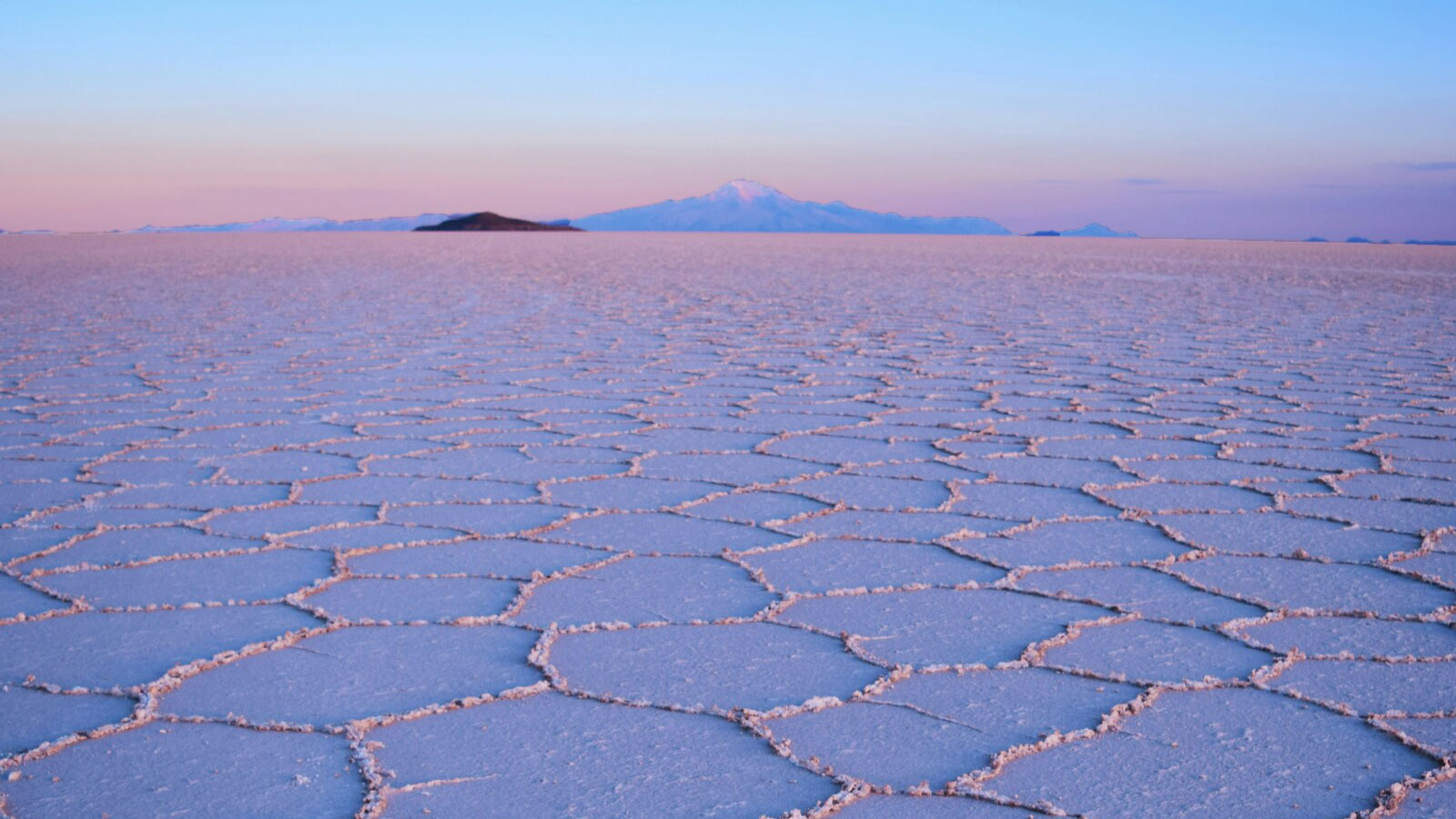
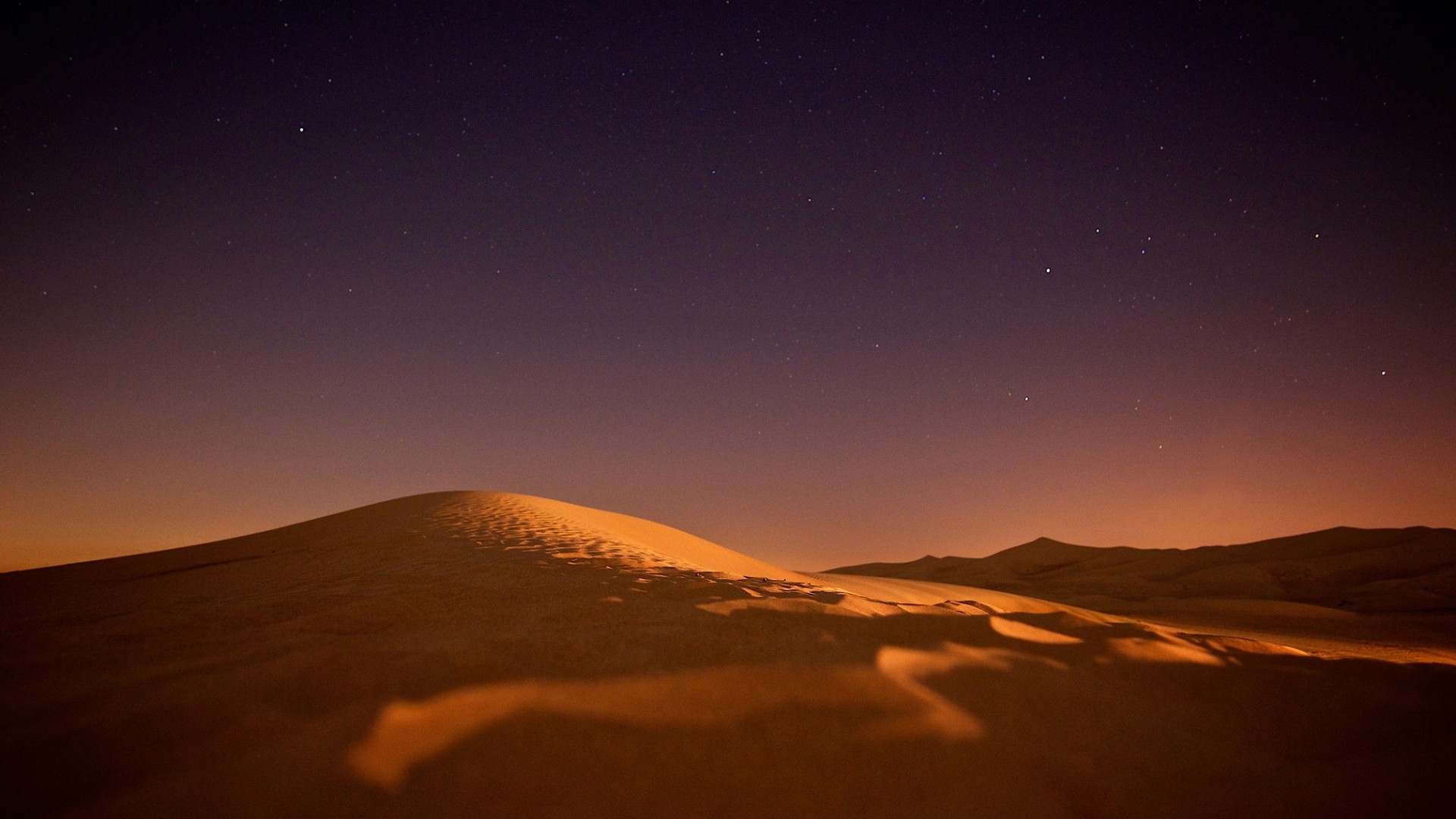
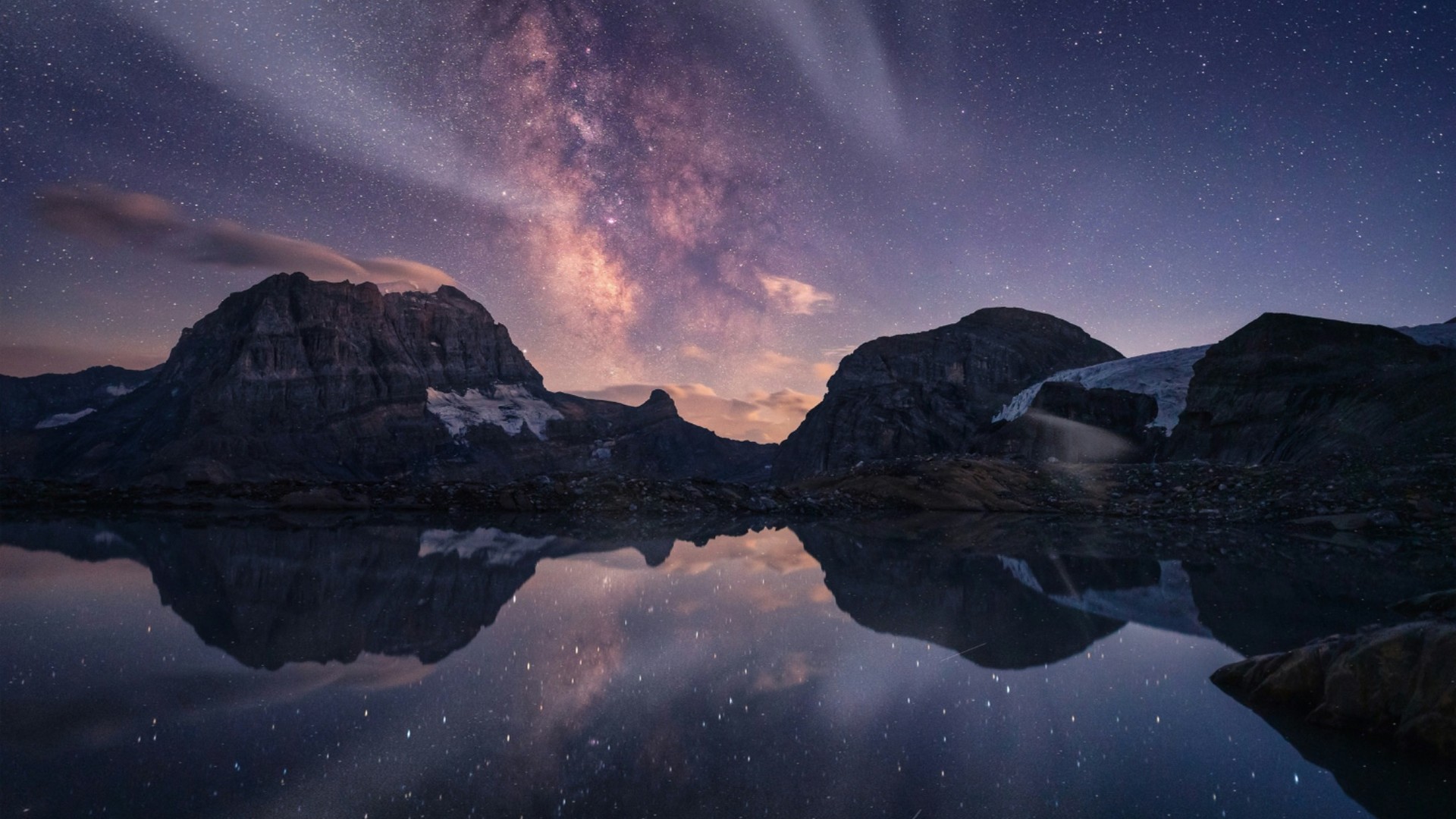
Destinations may include places such as the Atacama Desert in Chile, Namibia, or selected areas of the United States. These regions share vast uninhabited spaces, particularly dry air and very low levels of artificial light. In these environments, the sky appears deeper, the stars more numerous and the Milky Way more visible, turning the night itself into a true travel experience.
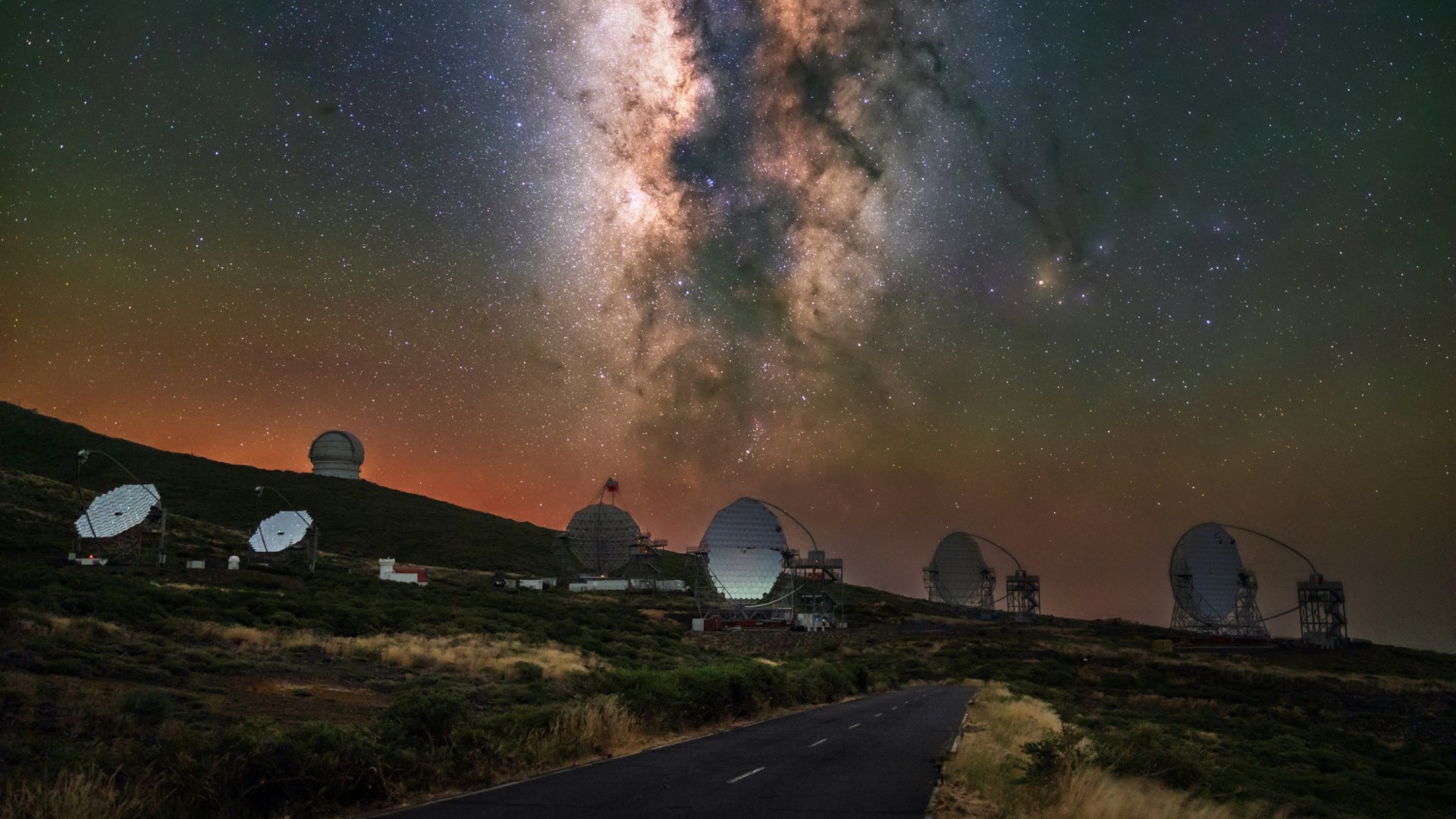
The Atacama Desert is one of the world’s most iconic destinations for astronomy. Cerro Paranal, home to the European Southern Observatory, stands at around 2,635 metres above sea level and was chosen precisely because of the exceptional quality of its atmosphere and its isolation from sources of light and dust. In some areas of the desert, there are more than 300 clear nights per year, making the region particularly well suited to astronomical observation.
The journey may include guided night observations, astrophotography sessions, visits to specialised facilities and moments of complete immersion in silence and open space. With the support of expert guides or observation equipment, travellers can learn to identify constellations, planets and celestial objects, or simply stop and look at the sky with the naked eye, without needing any specific scientific background.
One of the most interesting aspects of astrotourism is precisely this: it is not an experience reserved only for astronomy enthusiasts. It can also be enjoyed in a purely contemplative way, leaving room for wonder. The night changes the pace of the journey and encourages travellers to lower their voices, switch off artificial lights and wait for their eyes to adjust to the darkness.
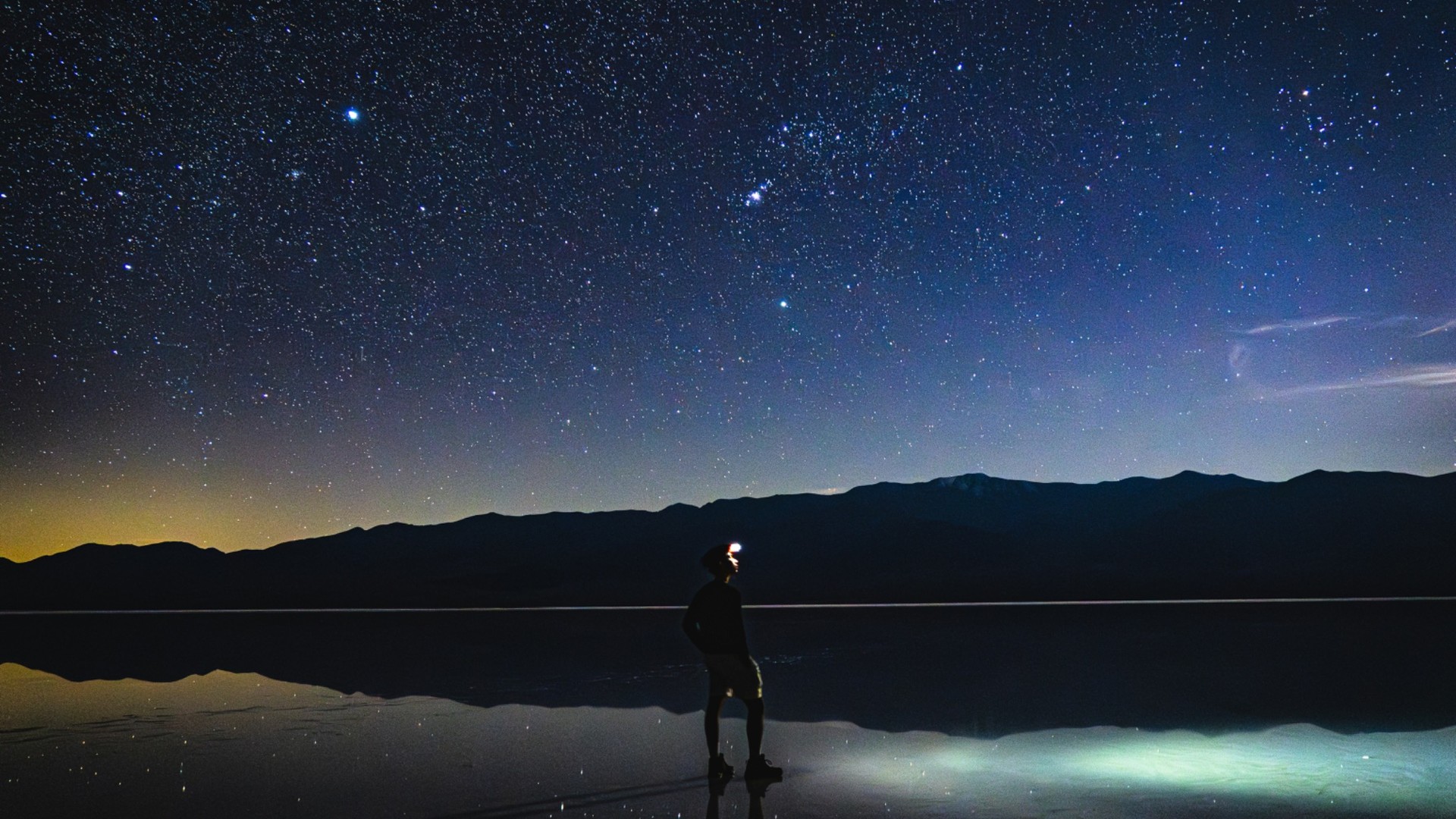
In fact, seeing the stars properly takes time. The U.S. National Park Service notes that the eyes may need around 20 to 30 minutes to fully adapt to darkness. For this reason, red-light torches are often used during observations, as they interfere less with night vision than white light from phones and lamps.
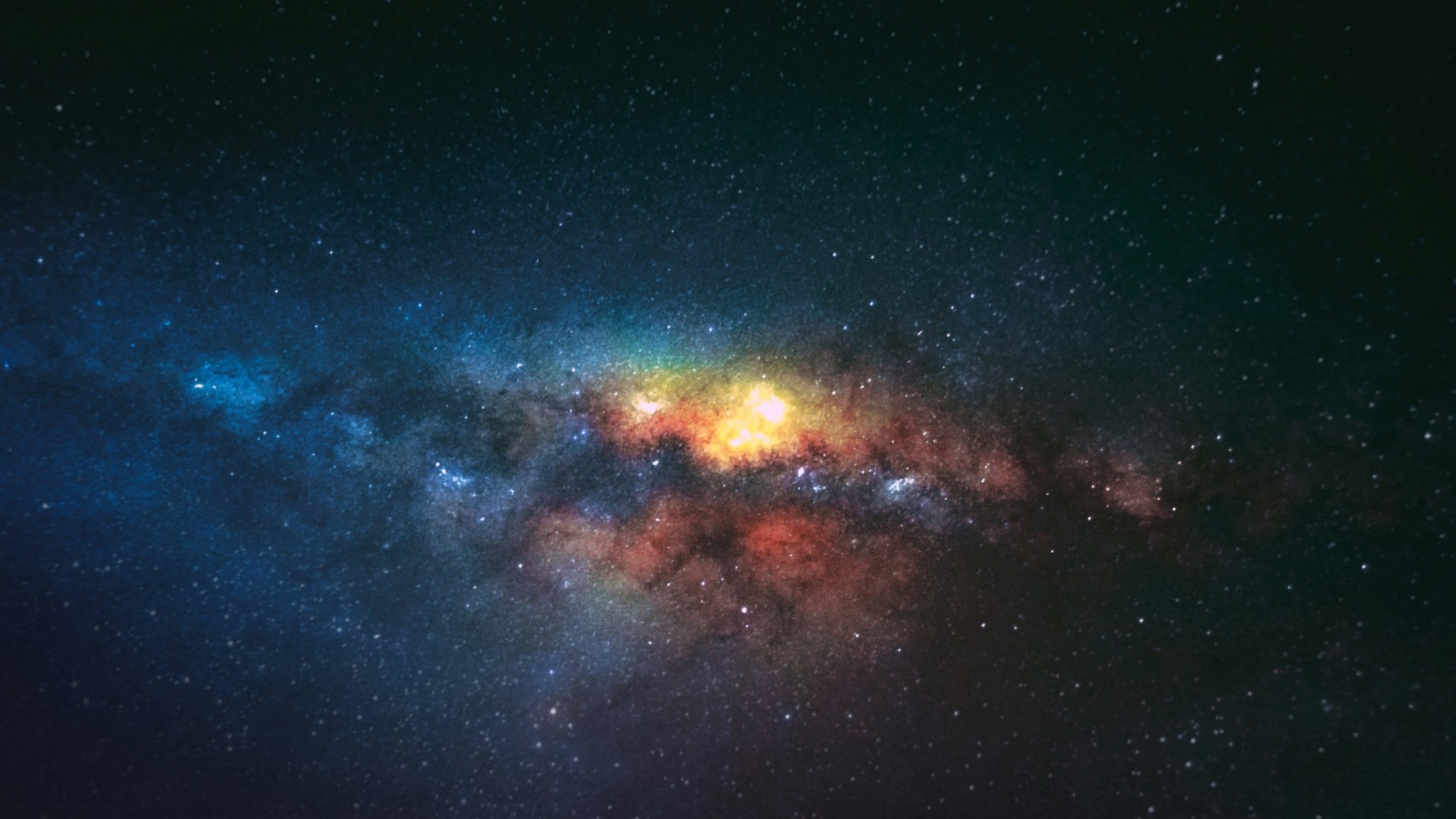
The phase of the Moon can also completely change the experience. A moonless night makes it easier to observe fainter stars and the Milky Way, while a full moon lights up the landscape considerably and can hide some of the dimmer celestial objects. According to the National Park Service, a full moon can illuminate the ground hundreds of times more strongly than a moonless sky.
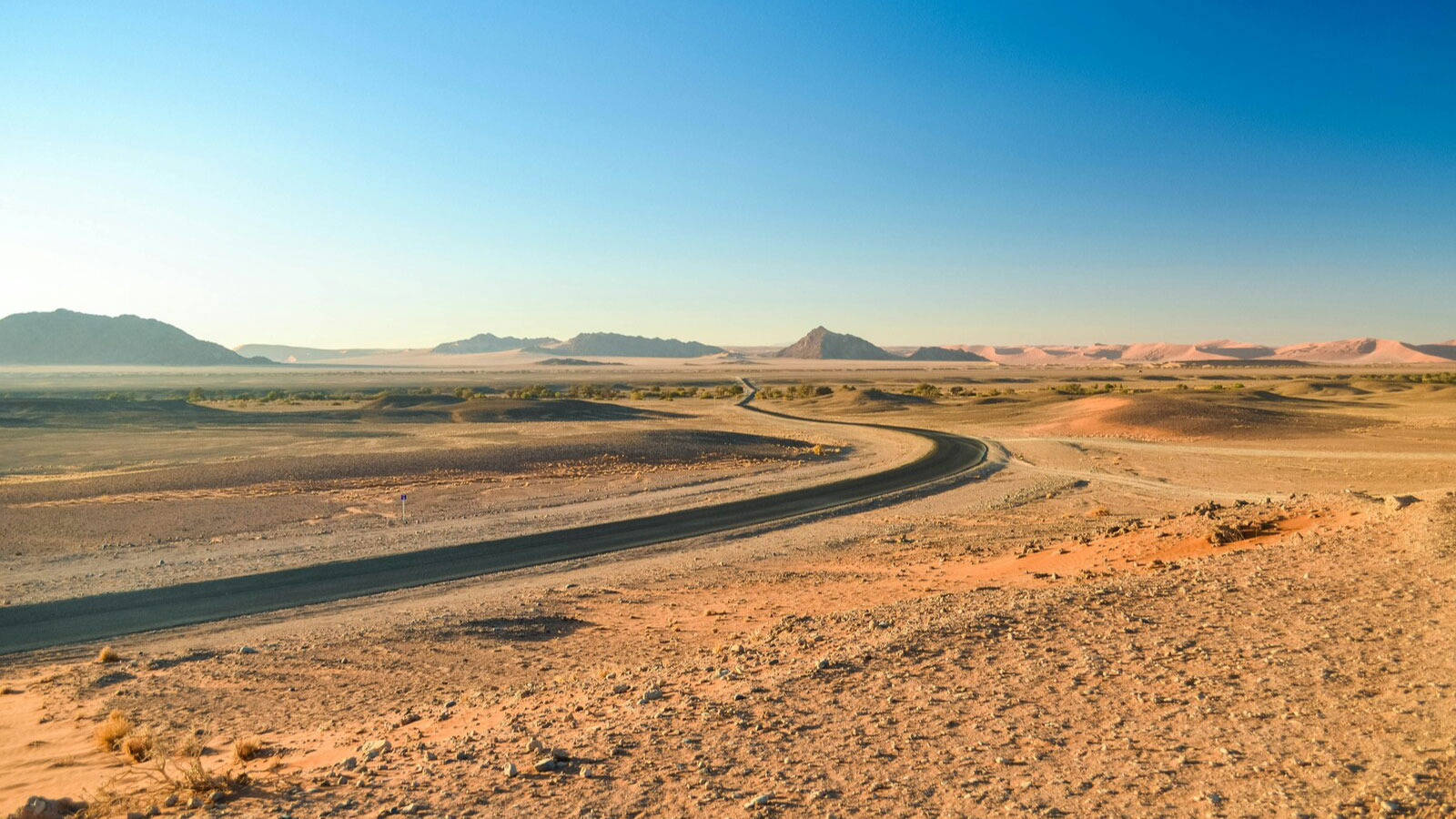
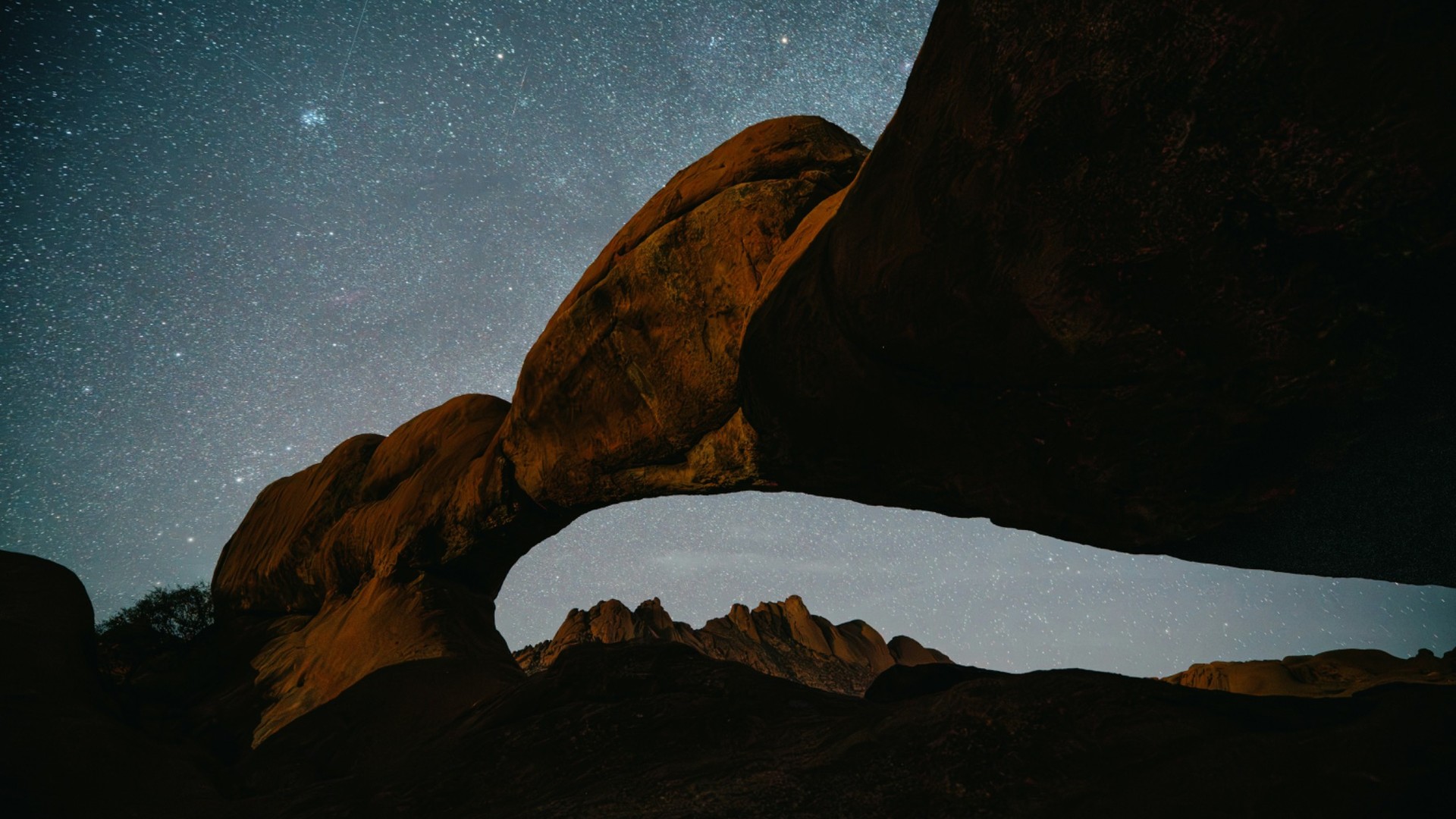
Namibia offers a very different but equally extraordinary setting. The NamibRand Nature Reserve has been recognised as a Dark Sky Reserve and is considered one of the darkest and most accessible naturally dark areas on the planet. The reserve covers more than 2,000 square kilometres, and protection of the night sky has become an integral part of the conservation of the territory. From these southern latitudes, travellers can also observe features of the southern sky that cannot be seen in the same way from Europe, including the Magellanic Clouds.
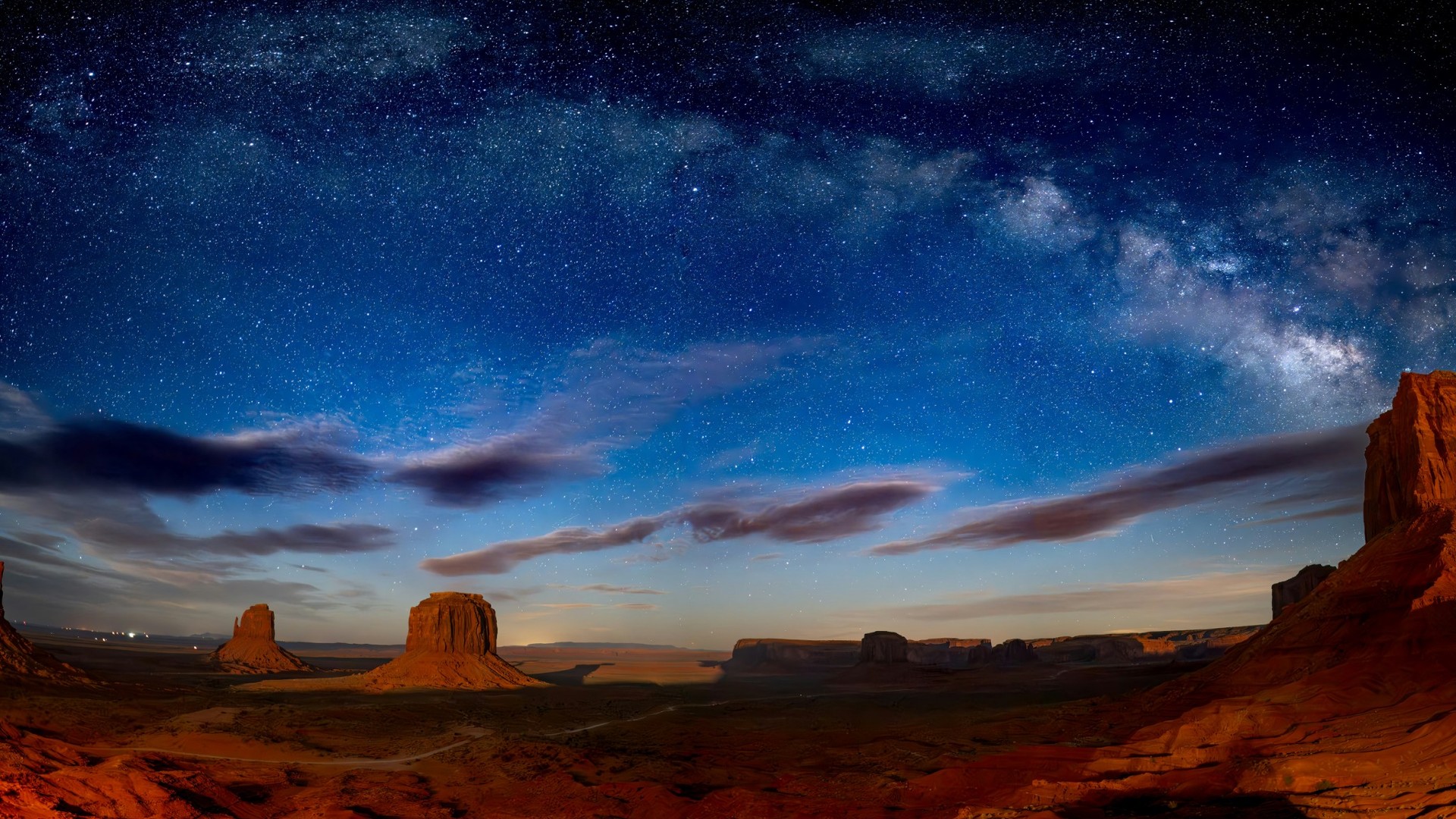
In the United States, astrotourism can become part of a wider itinerary combining national parks, canyons and desert landscapes. More than forty areas within the National Park System are recognised as International Dark Sky Places, and many parks organise dedicated activities ranging from telescope observations to night walks led by park rangers.
Places such as Arches National Park, the Grand Canyon, Joshua Tree and other areas of the Colorado Plateau allow travellers to combine dramatic natural scenery with exceptionally dark skies. At Arches, for example, the distance from major urban areas makes it possible to see far more stars than would normally be visible from a city. The park also points out that, under the right conditions, even a simple pair of binoculars can reveal surprising details in the night sky.
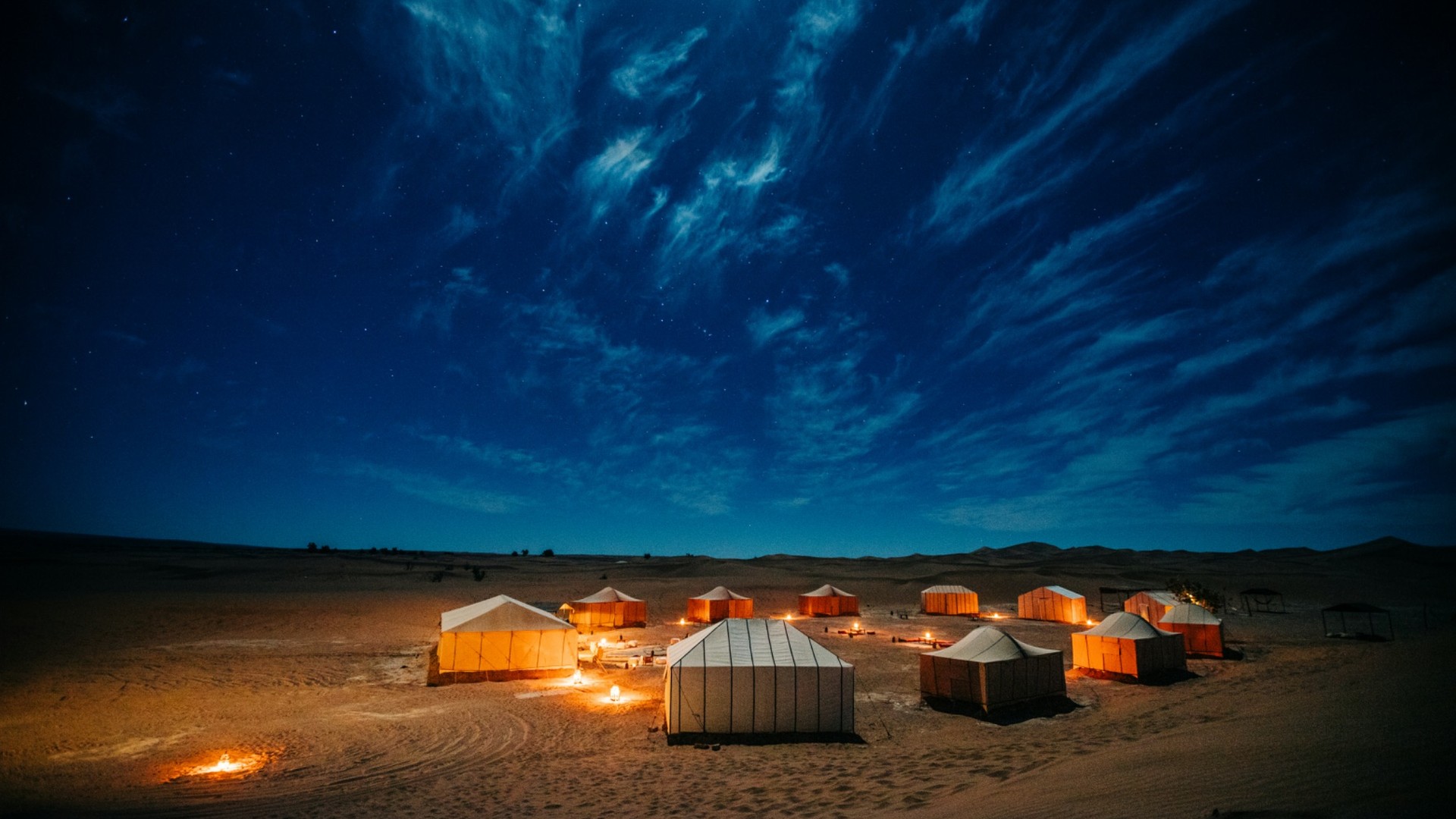
During the day, the landscape remains just as important. Dunes, canyons, mountains, plateaus and rocky expanses create a strong contrast with the night sky. The journey therefore develops at a different rhythm: daylight hours are dedicated to exploring the land, while sunset marks the beginning of a completely new part of the experience.
Astrophotography adds another dimension to the journey. There is no need to be a professional photographer. Even beginners can learn to observe the sky more carefully and understand how light, exposure times and atmospheric conditions affect the final image. Stars, light trails, planets and broad sections of the Milky Way become part of the visual story of the trip.
Astrotourism is therefore not simply a different way of travelling, but a true change of perspective. The sky becomes the main focus and completely reshapes the rhythm of the experience. Travellers slow down, learn to wait and rediscover the value of silence, darkness and observation.
It is an ideal choice for those looking for a destination beyond the most traditional routes, for travellers who love photography, nature, wide open spaces and science, but also for anyone who simply wants to experience something unusual.
More than a holiday, it is an experience that invites you to look upwards and, for a few nights, remember just how small our planet is within something infinitely greater.